
jessicalayton
About jessicalayton
The Luxury and Practicality of Owning a Private Jet
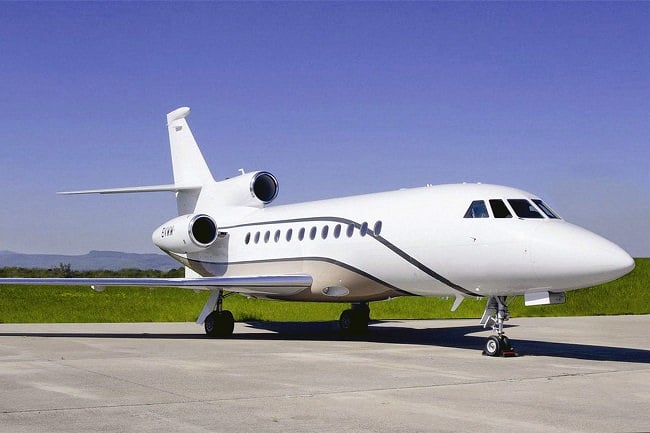
In today’s fast-paced world, the ability to travel efficiently and comfortably is more crucial than ever, particularly for high-net-worth individuals and business leaders. Owning a private jet has become a symbol of prestige and an essential tool for those who value their time and privacy. This case study explores the multifaceted aspects of private jet ownership, including the benefits, challenges, and the overall impact on personal and professional life.
The Allure of Private Jet Ownership
For many, the idea of owning a private jet is synonymous with luxury and exclusivity. Private jets offer unparalleled convenience, allowing owners to bypass the long lines and security checks associated with commercial flights. With a private jet, travelers can arrive at the airport just minutes before takeoff, and they can fly to airports that may not be accessible to commercial airlines, thus opening up a world of travel possibilities.

One of the most significant advantages of owning a private jet is the ability to customize the travel experience. In case you have almost any inquiries with regards to exactly where along with the way to make use of privatejetscharter.review, you can e-mail us in our internet site. Owners can personalize the interior of the aircraft to reflect their tastes and needs, creating a flying environment that is both comfortable and conducive to work or relaxation. Whether it’s a spacious conference room, luxurious sleeping quarters, or a fully stocked kitchen, the customization options are virtually limitless.
Time Efficiency and Productivity
In the realm of business, time is money. For executives and entrepreneurs, the ability to maximize productivity while traveling is a game changer. With a private jet, business leaders can hold meetings in the air, work on important projects, or simply have the privacy to think and strategize without the distractions of a commercial flight. This capability not only enhances productivity but also allows for more flexibility in scheduling.
Consider the case of John, a CEO of a rapidly growing tech company. John frequently travels to meet clients and partners across the country and internationally. Before owning a private jet, he often spent hours in airports and on commercial flights, which took away valuable time from his work. After acquiring a private jet, he found that he could fly directly to his destination, conduct meetings on the plane, and return home the same day. This shift not only saved him time but also allowed him to maintain a better work-life balance.
Financial Considerations
While the benefits of private jet ownership are clear, it is essential to consider the financial implications. The initial purchase price of a private jet can range from a few million dollars to over $100 million, depending on the size, model, and customization options. Additionally, ongoing costs such as maintenance, fuel, insurance, and crew salaries can add up significantly.
Many owners choose to mitigate these costs by participating in fractional ownership programs or chartering their jets when not in use. Fractional ownership allows multiple individuals or companies to share the costs and usage of a jet, making it a more affordable option for those who do not need to fly frequently. Chartering, on the other hand, can generate revenue and offset some of the ownership costs.
Regulatory and Maintenance Challenges
Owning a private jet also comes with its share of regulatory and maintenance challenges. Owners must navigate complex aviation regulations, including compliance with safety and operational standards set forth by aviation authorities. This often requires hiring experts to manage the logistics and ensure that the aircraft is maintained to the highest standards.
Regular maintenance is crucial for the safety and reliability of a private jet. This includes routine inspections, repairs, and upgrades, which can be time-consuming and costly. For instance, a jet like the Gulfstream G650 requires meticulous upkeep, and owners must be prepared for unexpected expenses that may arise due to wear and tear or regulatory changes.
Environmental Considerations
In recent years, there has been growing scrutiny regarding the environmental impact of private jet travel. Critics argue that private jets contribute disproportionately to carbon emissions compared to commercial flights. As a result, many owners are now considering ways to offset their carbon footprint through initiatives like carbon credits or investing in sustainable aviation fuel.
Some manufacturers are also responding to these concerns by developing more fuel-efficient aircraft and exploring electric and hybrid models. These advancements aim to reduce the environmental impact of private aviation and appeal to environmentally conscious consumers.
The Social Perception of Private Jet Ownership
The social perception of private jet ownership can be complex. While many view it as a status symbol and a mark of success, others criticize it as a sign of excess and privilege. This dichotomy can lead to scrutiny and judgment, particularly in times of economic hardship or environmental crises.
For instance, during the COVID-19 pandemic, images of celebrities and wealthy individuals traveling on private jets sparked outrage among those who felt that such behavior demonstrated a disconnect from the struggles faced by the general population. As a result, some private jet owners have taken steps to promote a more responsible image, emphasizing their commitment to sustainability and philanthropy.
Conclusion
Owning a private jet is a multifaceted endeavor that combines luxury, practicality, and responsibility. For many high-net-worth individuals and business leaders, the benefits of time savings, productivity, and personalized travel experiences far outweigh the challenges and costs associated with ownership. However, it is essential for potential owners to consider the financial, regulatory, and environmental implications before making such a significant investment.
As the aviation industry evolves, private jet owners must adapt to changing perceptions and expectations, embracing sustainability and responsible travel practices. For those who navigate these challenges successfully, the rewards of private jet ownership can be substantial, enhancing both personal and professional life in ways that commercial travel simply cannot match.
No listing found.