
karinecarswell
About karinecarswell
How To Make Villa
 The real estate market does not move in one direction nationwide. It never has. What is happening in Austin is not what is happening in Cleveland. What is true for a three-bedroom in the suburbs of Dallas has almost nothing to do with a two-bedroom in San Francisco. Before you do anything else, narrow your focus to the specific market you are shopping in and stop reading national headlines as if they apply to you personally.
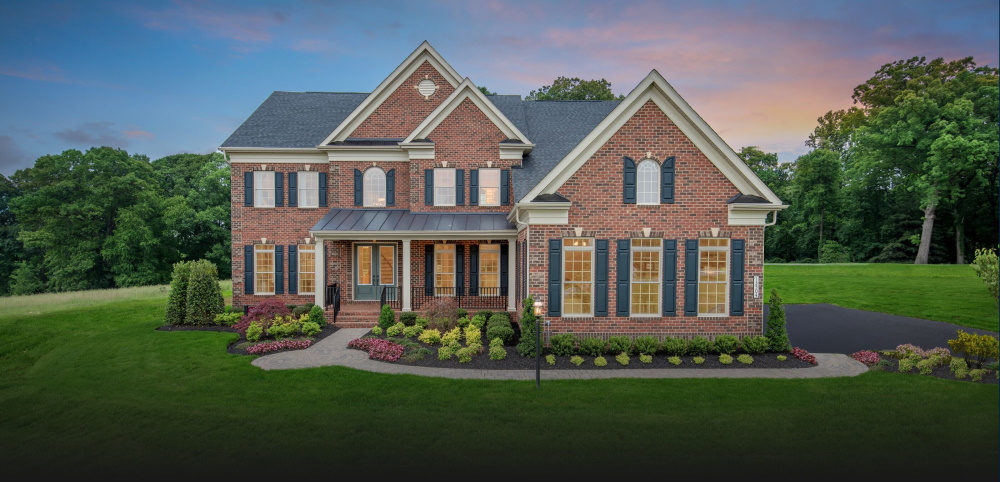 In markets where builders have added meaningful supply in recent years, prices have pulled back. Several Sun Belt metros that boomed during the pandemic have given back a portion of those gains. But those are the exceptions. Most markets are not working from excess; they are working from scarcity.
 Here is what that creates for someone with solid credit and a real pre-approval in hand: a better chance of getting the house you want without losing a bidding war. The panic buyers are gone. The buyers who showed up with letters waiving inspections and offering a hundred thousand over asking have mostly sat back down. What remains is a more functional market, even if it is not a cheap one.
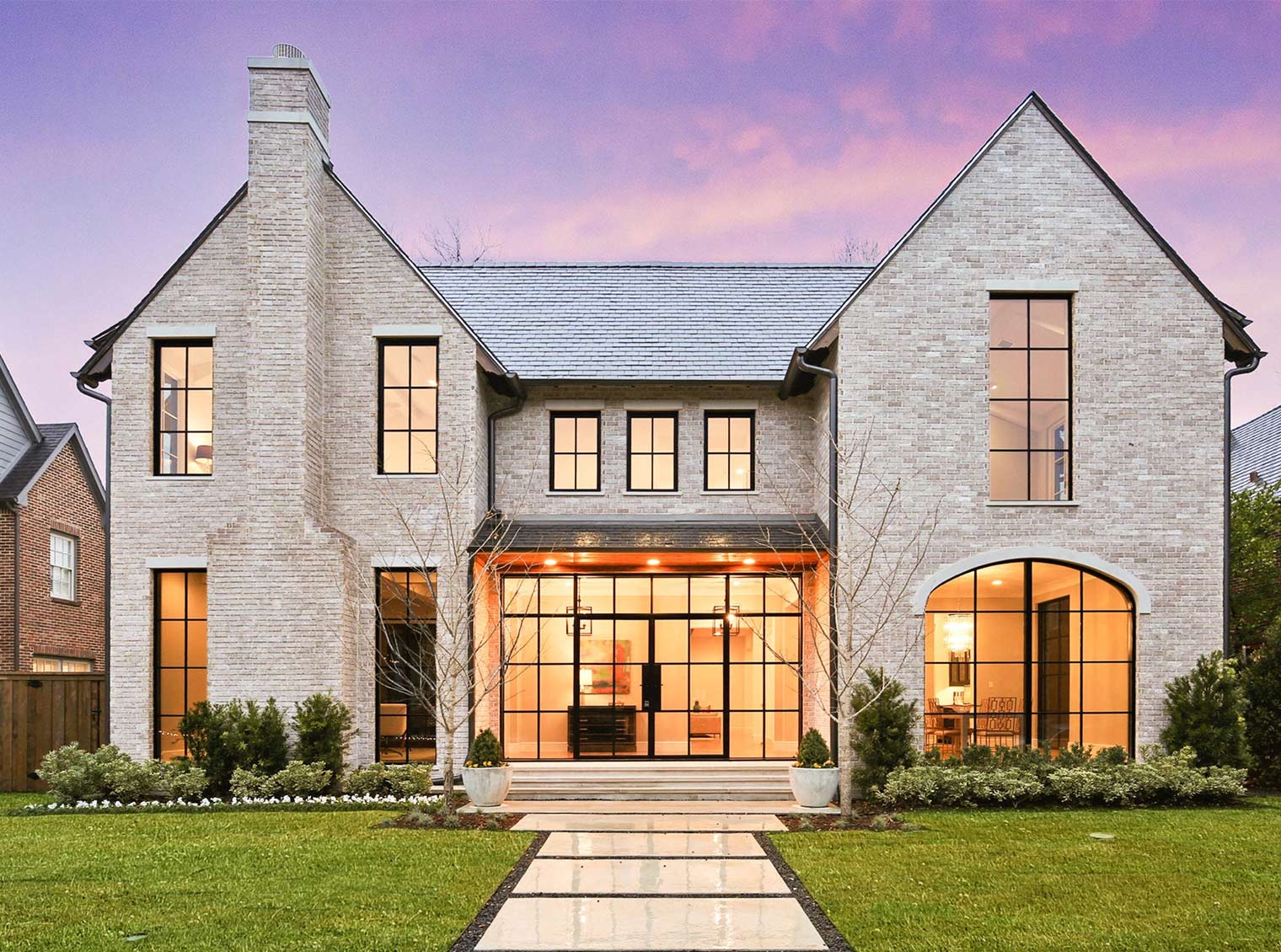 Your credit score affects your rate more directly than most buyers realize. A score of 760 or above typically qualifies for the best rate tier most lenders offer. If your score has room to improve, pull your reports, find the issues, and address them before you start shopping seriously.
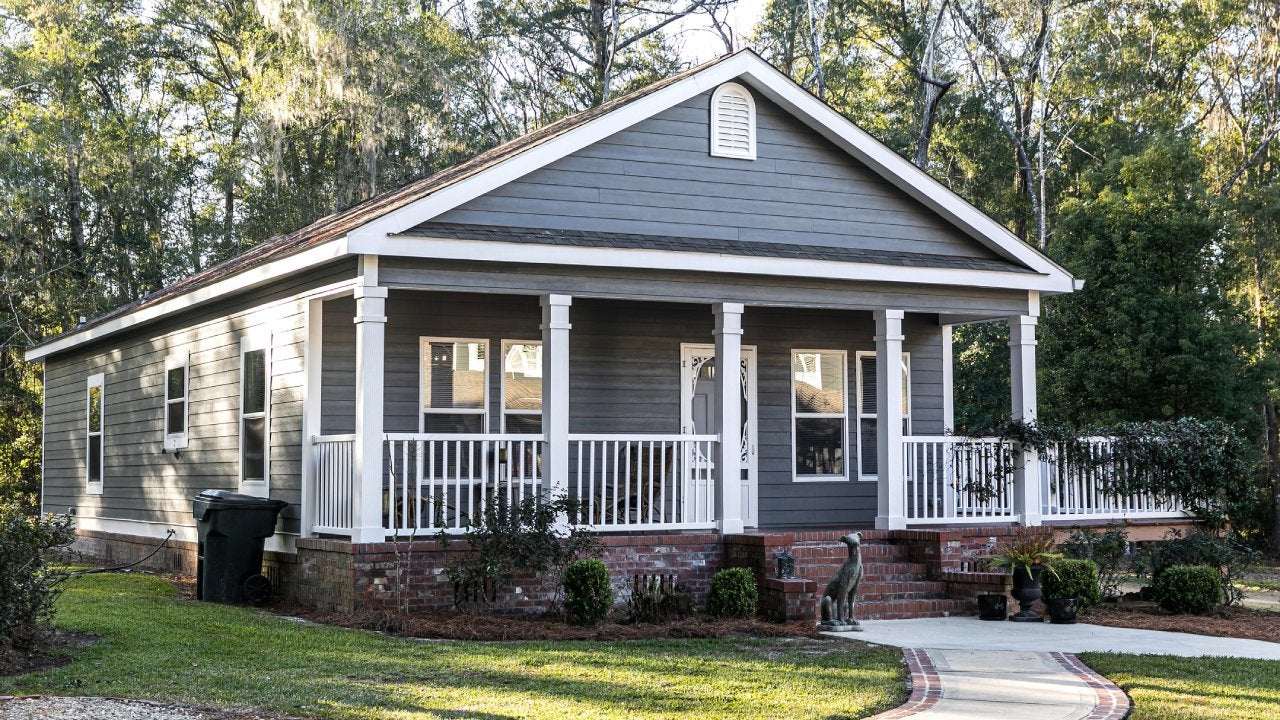 The inspection is where the marketing copy meets reality. Be there with the inspector and ask questions throughout. A good home inspector will walk you through what they are finding as they go, and those few hours will shape your understanding of the home for as long as you own it.
Budget two to four percent of the purchase price for closing costs, on top of your down payment. First-time buyers often do not see the full closing cost picture until the Closing Disclosure arrives three days before settlement. Ask your lender for a Loan Estimate as early in the process as possible.
The timing question, whether to buy now or wait for rates to come down, is the one that trips up more buyers than any other single factor. Waiting for the perfect moment is how people end up renting for another five years when they did not mean to. The more useful question is not whether now is the right time in the abstract; it is whether the home works for your actual life for the next five to seven years.
 The buyers who come out ahead in this market are not the ones who waited for perfect conditions. They are the ones who got their finances in order early. If you are ready to take that step, real estate listings and buyer tools are a practical starting point.
No listing found.